

Digital Infrastructure and Its Impact on Property Markets
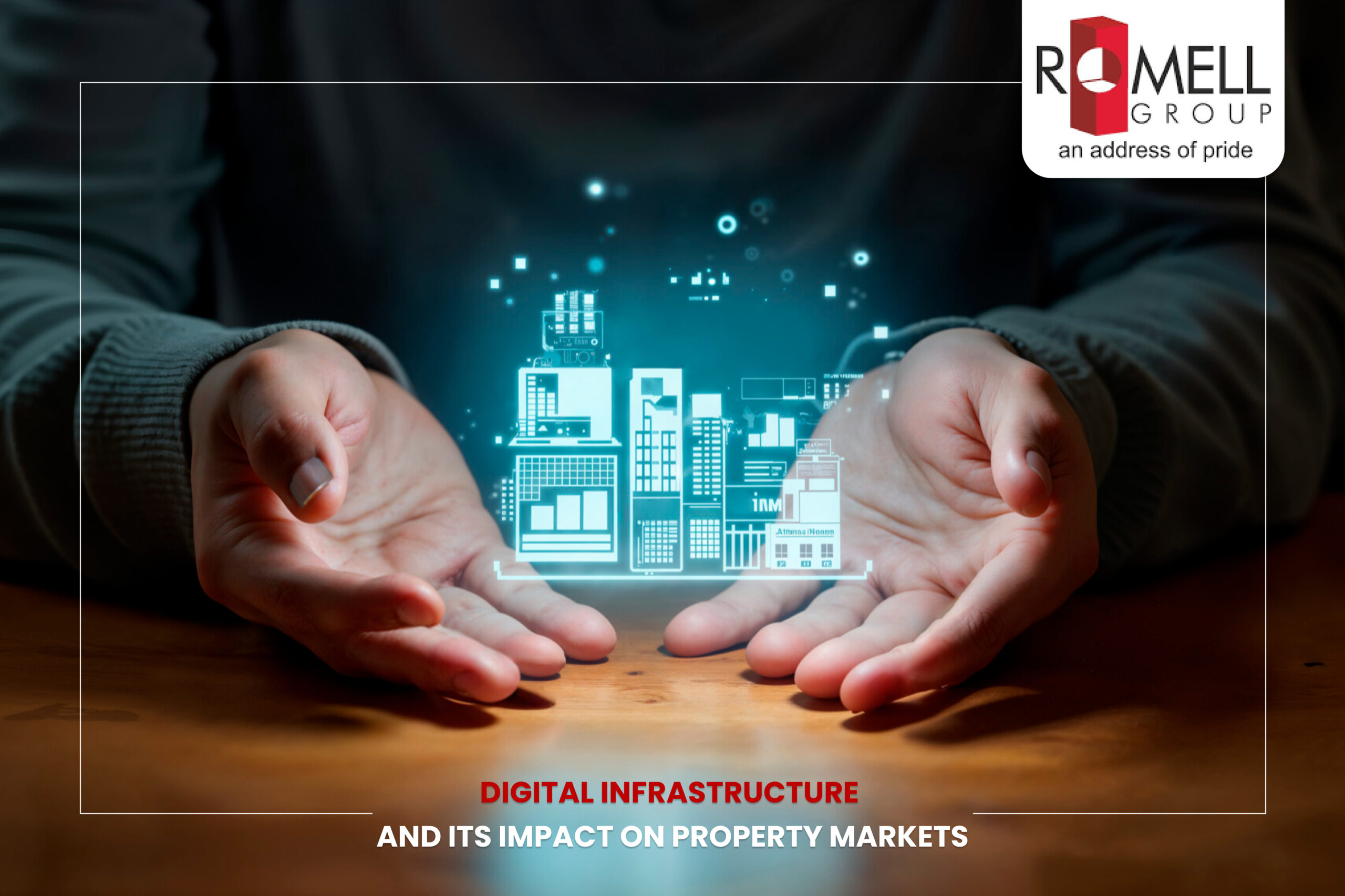
A decade ago, property value was driven primarily by location. Today, it depends just as much on internet speed, connectivity, and digital readiness. Digital infrastructure is transforming property markets by improving connectivity, increasing demand in emerging locations, boosting property values, and enabling smart living and working environments. Areas with strong digital ecosystems such as high-speed internet, data centers, and smart city integration are witnessing faster real estate growth and higher investment potential.
Understanding Digital Infrastructure in Real Estate
Digital infrastructure refers to the technology backbone that supports communication, connectivity, and data flow. In today’s real estate ecosystem, it includes:
- High-speed broadband and fiber networks
- 5G connectivity
- Data centers
- Smart city systems
- IoT-enabled environments
- Digital transaction platforms
We are witnessing a shift where real estate value is no longer driven only by location, but also by digital readiness.
How Digital Infrastructure Is Reshaping Property Markets?
1. Increased Demand in Digitally Connected Locations
Areas with strong digital infrastructure are becoming high-demand real estate zones. In cities like Bengaluru, Mumbai and Hyderabad, areas with strong fiber connectivity and proximity to data centers have seen faster rental growth compared to traditional zones. Buyers and businesses now prioritize:
- Reliable internet connectivity
- Seamless communication networks
- Access to digital services
This has led to the rise of suburban and emerging micro-markets, where digital connectivity compensates for physical distance from traditional city centers.
2. Boost in Property Value and Investment Potential
Digital infrastructure directly impacts property appreciation. Locations with:
- Fiber-optic networks
- 5G rollout
- Smart city integration
tend to see faster price growth and higher investor interest.
Properties in digitally advanced zones are perceived as future-ready investments, making them more attractive to both end-users and investors.
3. Growth of Smart Homes and Smart Buildings
Modern homebuyers are increasingly choosing technology-enabled living spaces.
Key features driving demand include:
- Smart security systems
- Home automation
- Energy-efficient solutions
- App-controlled appliances
Developers are integrating these features into residential projects, creating smart ecosystems that enhance lifestyle and convenience.
4. Transformation of Commercial Real Estate
Digital infrastructure is playing a major role in reshaping commercial property demand.
Businesses now look for:
- High-speed internet
- Tech-enabled office spaces
- Smart building management systems
- Data security infrastructure
This has led to the rise of:
- Flexible office spaces
- Co-working hubs
- Tech parks
- Data center-driven real estate
As a result, commercial properties in digitally advanced areas are experiencing higher occupancy rates and stronger rental yields.
5. Rise of Data Centers as Real Estate Assets
One of the biggest trends in 2026 is the growth of data centers as a real estate segment.
With increasing digital consumption, there is a surge in demand for:
- Cloud storage
- Streaming services
- AI-driven platforms
This has turned data centers into high-value real estate investments, especially in metro cities and tech corridors.
Impact on Residential Real Estate
Work-From-Home Revolution
The shift to hybrid and remote work has made digital connectivity a necessity rather than a luxury.
Homebuyers now prioritize:
- Dedicated workspaces
- High-speed internet
- Quiet and productive environments
This has increased demand for larger homes in well-connected suburban areas.
Lifestyle Upgradation
Digital infrastructure enhances lifestyle by enabling:
- Online services
- Smart living solutions
- Digital security systems
Modern residential projects now focus on creating digitally integrated communities that support convenience and efficiency.
Impact on Commercial Real Estate
Shift Toward Tech-Enabled Offices
Companies are moving towards digitally equipped office spaces that offer:
- Seamless connectivity
- Smart meeting rooms
- Cloud-based work environments
This has increased demand for premium commercial towers and smart office spaces.
Decentralization of Business Hubs
With improved digital connectivity, businesses are no longer restricted to traditional business districts.
Emerging locations are now becoming new commercial hubs, offering:
- Lower costs
- Better infrastructure
- Improved accessibility
Digital Infrastructure and Investment Opportunities
High ROI Locations
Investors are increasingly targeting areas with:
- Upcoming metro connectivity
- Smart city initiatives
- Strong digital infrastructure
These locations offer:
- Higher appreciation potential
- Better rental demand
- Long-term growth
Future-Ready Developments
Projects that integrate digital infrastructure are positioned as:
- Premium offerings
- High-demand assets
- Sustainable investments
This creates strong resale and rental value over time.
Challenges and Considerations
While digital infrastructure is driving growth, buyers should consider:
- Quality of actual connectivity (not just claims)
- Long-term infrastructure plans
- Developer credibility
- Integration of technology within the project
Making informed decisions ensures maximum return on investment and long-term satisfaction.
Future of Property Markets with Digital Infrastructure
The future of real estate will be defined by:
- Smart cities
- AI-driven property management
- Digital transactions and virtual property tours
- Tech-integrated living environments
As digital ecosystems continue to evolve, property markets will increasingly align with technology-driven demand.
Market Trends & Growth Insights
Vile Parle East has been witnessing steady real estate growth, driven by consistent end-user demand and improving infrastructure. Industry reports suggest that Mumbai’s residential market has seen an annual price appreciation of around 5–8% in well-connected suburban areas, with micro-markets like Vile Parle East benefiting from proximity to business hubs and transit networks. Additionally, increasing urban infrastructure development and connectivity upgrades are expected to further boost property values, making it a stable choice for both homebuyers and long-term investors.
Conclusion
In the next decade, digital connectivity may influence property prices more than proximity to city centers. Digital infrastructure is no longer an optional feature; it is a core driver of real estate growth. From residential preferences to commercial investments, technology is influencing every aspect of property markets.
Locations that offer strong digital connectivity are emerging as high-value investment destinations, while developers are focusing on building future-ready, smart properties.
As the real estate landscape continues to evolve, digital infrastructure will remain a key factor shaping demand, pricing, and investment decisions.
Frequently Asked Questions
1. What is digital infrastructure in real estate?
Digital infrastructure in real estate includes internet connectivity, smart systems, data centers, and technology that enhances communication and property functionality.
2. How does digital infrastructure impact property prices?
Properties in digitally advanced areas tend to have higher demand, leading to increased property values and better investment returns.
3. Why is digital connectivity important for homebuyers?
Digital connectivity supports remote work, smart living, and access to services, making it a key factor in modern homebuying decisions.
4. Are data centers part of real estate investment?
Yes, data centers are emerging as a high-growth real estate segment due to increasing demand for digital storage and cloud services.